
Blackout vs Sunshade Roll
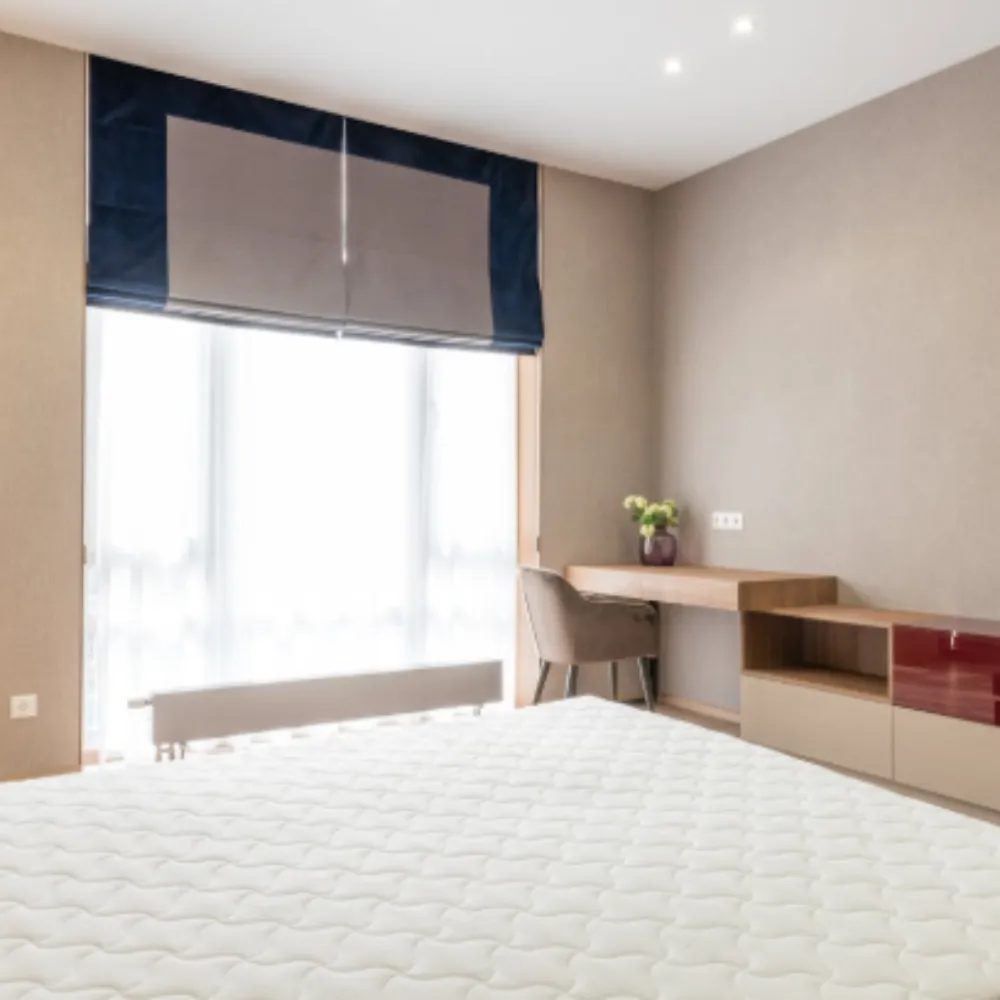
Blind Types
This article explains the differences between these two popular roller blind
types, their ideal applications, and what to consider when sourcing them for
commercial or residential projects.
Why Choose
Selecting the correct type of roller blind is one of the most important
decisions a distributor, interior designer, or building contractor will make
when specifying window coverings for a project.
The wrong choice — for example, installing a sunshade roller blind in a bedroom
where full light blockout is needed — will result in an unsatisfied customer
and a costly replacement.
Roller blinds are not a one-size-fits-all product, and the two most commonly
confused types are blackout roller blinds and sunshade roller blinds.
While they look similar from the outside and share the same basic roller shade
mechanism, their fabric construction, performance characteristics, and ideal
applications are fundamentally different.
Understanding these differences helps buyers make better sourcing decisions and
allows installers to provide more accurate recommendations to their clients.
Blackout
A blackout roller blind is designed to block all or nearly all incoming light
when fully lowered.
This performance comes from the fabric construction itself. Blackout fabrics
typically use a multi-layer structure with an opaque coating applied to the
reverse side in white or silver to reflect heat while blocking light.
The effectiveness of a blackout roller blind is measured by its opacity rating,
with premium fabrics achieving close to 100 percent light blockout.
It is important to note that even a perfectly specified blackout fabric may
allow light around the edges if side channels or a cassette housing are not
included.
For buyers sourcing blackout roller blinds for residential or hospitality
projects, installation details are just as important as fabric selection.
Key Features
• Multi-layer fabric with opaque coating
• Blocks 99 to 100 percent of incoming light when properly installed
• Reflective backing helps reduce solar heat gain
• Available in a wide range of colours and textures
• Side channels or cassettes recommended for full blackout performance
Sunshade
A sunshade roller blind, also known as a solar or screen roller blind, is
designed to filter rather than block incoming light.
The fabric is woven from coated fibreglass or polyester yarns using an open
weave structure.
The openness factor determines how much light and air can pass through the
fabric.
A three percent openness factor blocks more light and offers greater privacy
than a ten percent openness factor, which feels more open and airy.
Sunshade roller blinds are valued for reducing glare and solar heat gain while
maintaining the view through the window.
This makes them particularly popular in offices and commercial buildings with
large glazed façades.
Unlike blackout roller blinds, sunshade fabrics do not provide privacy at
night because interior lighting makes the fabric appear transparent from the
outside.
Openness Guide
1%
Very high filtration, limited visibility, good privacy
3%
High filtration, moderate visibility, moderate privacy
5%
Moderate filtration, good visibility, low privacy
10%
Low filtration, excellent visibility, very low privacy
14%+
Minimal filtration, maximum visibility, no privacy
Key Diffs
The most important difference between these two roller blind types is their
intended purpose.
A blackout roller blind is designed to eliminate light, while a sunshade
roller blind is designed to manage light.
This functional difference influences every aspect of the product, including
fabric construction, weight, installation requirements, and recommended usage.
Blackout fabrics are generally heavier and less breathable, requiring the tube
and control mechanism to support additional weight, especially on larger
installations.
Sunshade fabrics are lighter and more flexible, making installation easier and
placing less strain on the roller shade hardware.
Both types can be used with the same basic roller blind system, but buyers
should always confirm fabric weight before specifying the mechanism.
Comparison
Primary Function
Blackout: Eliminate light
Sunshade: Filter and manage light
Fabric Construction
Blackout: Multi-layer opaque coating
Sunshade: Open-weave coated yarns
Fabric Weight
Blackout: Heavier
Sunshade: Lighter
Outward Visibility
Blackout: None
Sunshade: Maintained
Night Privacy
Blackout: Full
Sunshade: Limited
Best Use
Blackout: Bedrooms, hotels, theatres
Sunshade: Offices, living spaces, commercial buildings
Best Uses
Blackout roller blinds are the preferred choice whenever complete light
control is required.
Common applications include bedrooms, home theatres, hotel guest rooms,
hospital wards, photography studios, darkrooms, and presentation spaces.
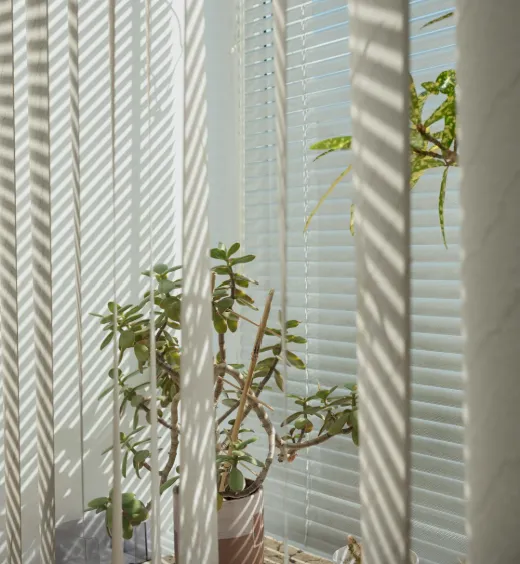
Sunshade roller blinds are ideal for environments where natural light and
outward visibility remain important but glare and solar heat need to be
controlled.
Typical applications include open-plan offices, retail stores, restaurants,
living rooms, dining rooms, schools, and commercial buildings with extensive
glass façades.
In commercial environments, sunshade blinds are frequently specified as part of
a building energy management strategy because they help reduce solar heat gain
and cooling costs.
Blackout Uses
• Hotel guest rooms
• Residential bedrooms
• Nurseries
• Home cinemas
• Healthcare facilities
• Conference rooms
Sunshade Uses
• Corporate offices
• Open-plan workspaces
• Retail showrooms
• Restaurants
• Living and dining areas
• Educational facilities
Commercial
Commercial projects have very different requirements from residential projects.
For large installations, colour and texture consistency across multiple blinds
is essential, making supplier selection extremely important.
Fire retardancy is another key consideration.
Many projects across Europe, Australia, and North America require fabrics to
meet specific fire safety standards.
Buyers should always request current fire test certificates from suppliers.
Hotel blackout roller blinds often require cassette or fascia systems to
achieve both the desired light control and the clean appearance expected in
hospitality environments.
Working with suppliers experienced in commercial projects can greatly simplify
specification, ordering, and installation processes.
Selection
For distributors and installers working across multiple project types, a clear
decision-making framework helps reduce errors and improve recommendations.
The first question should always be the end user's primary requirement.
If light elimination is the priority, choose a blackout roller blind.
If glare reduction and visibility are more important, choose a sunshade roller
blind.
Climate conditions should also be considered.
In regions with strong solar exposure, a low-openness sunshade fabric with a
high solar reflectance rating can significantly improve building energy
efficiency.
Where both functions are needed, a dual roller blind system combining sunshade
and blackout fabrics on one track provides excellent flexibility.

FAQ
Bedroom Use
Can a sunshade roller blind be used in a bedroom?
A sunshade blind reduces glare and sunlight but does not block enough light for
most people to sleep comfortably during the day.
A blackout roller blind is usually the better choice.
In some projects, a dual blind system combines both fabric types for maximum
flexibility.
Heat Block
Do blackout roller blinds also reduce heat?
Yes. Most blackout fabrics include a reflective white or silver backing that
helps reduce solar heat gain.
The exact performance depends on fabric specifications and window glazing type.
Outdoor Use
Are sunshade roller blinds suitable for outdoor use?
Standard sunshade roller blinds are designed for indoor use only.
Outdoor installations require fabrics and hardware specifically engineered for
exposure to UV, rain, and wind.
Sheer Diff
What is the difference between a sunshade roller blind and a sheer blind?
A sunshade blind uses technical open-weave fabrics designed to reduce glare and
solar heat gain.
A sheer blind diffuses light but provides minimal thermal performance.
For energy-efficient projects, sunshade blinds are generally the better option.
Large Jobs
How do I specify the correct roller shade for a large commercial glazing
project?
The most important specifications include openness factor, solar heat gain
coefficient, fire rating, and colour batch consistency.
Working with a supplier that provides detailed technical data sheets makes it
much easier to meet project requirements and contractor expectations
從除草、園藝修剪到修剪樹木與病蟲害防治,協助整理雜草叢生、枝葉凌亂與蟲害滋生的環境,讓綠化空間恢復乾淨、安全、舒適又有管理感。