
Buyer's Guide
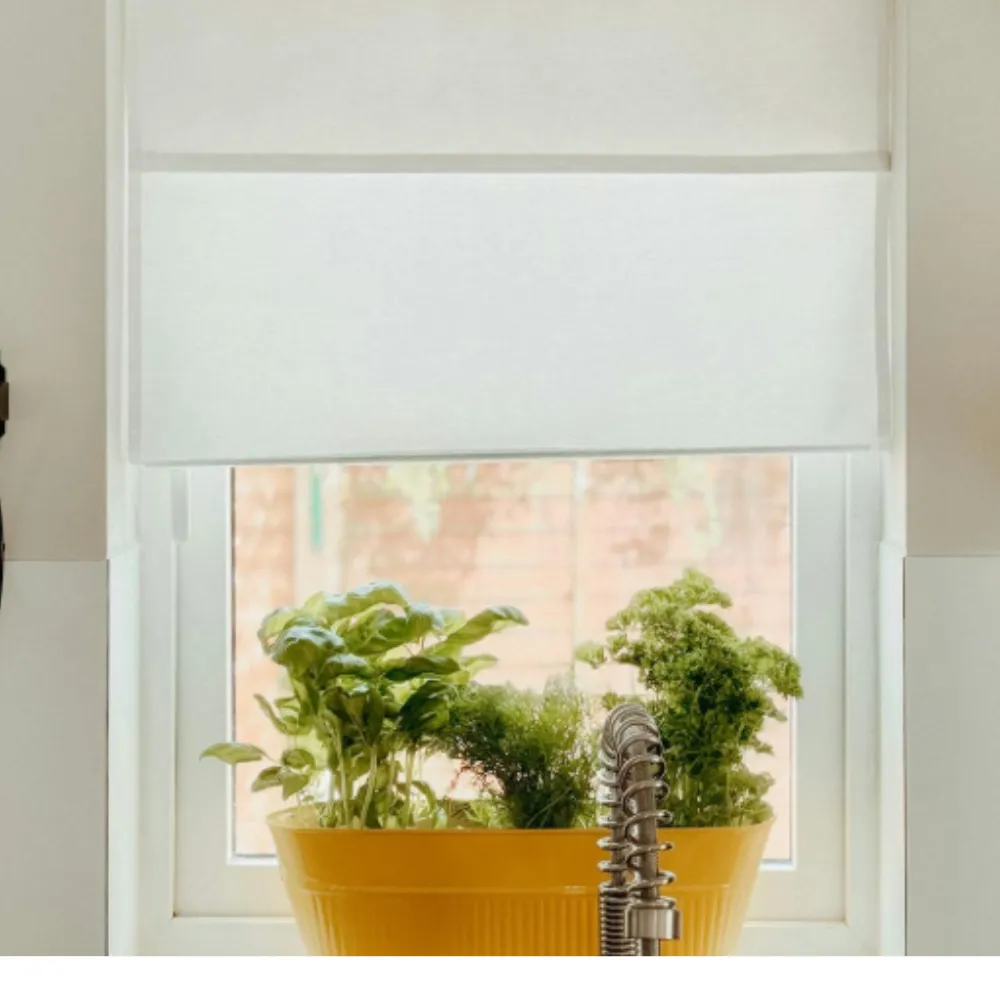
This guide covers everything buyers and distributors need to know about roller blinds.
From the different types available to what makes a quality roller blind mechanism.
Whether you are sourcing roller blind parts in bulk or looking for the best roller blind
system for your product line, this article helps you make an informed decision.
Roller Blinds
Roller blinds are one of the most popular window covering solutions used in residential
, commercial, and industrial settings around the world.
They operate on a simple mechanism — a length of fabric wound around a rotating tube
— which makes them easy to use, easy to maintain, and highly adaptable to different
environments.
Their clean, minimal appearance fits both modern and traditional interiors, which is a
large part of why demand for roller blinds continues to grow across Europe, Australia,
the Americas, and beyond.
For distributors and product buyers, this consistent global demand makes roller blinds
a reliable category to invest in and stock.
Blind Types
Not all roller blinds are the same, and understanding the differences between types
is the first step toward making smart sourcing decisions.
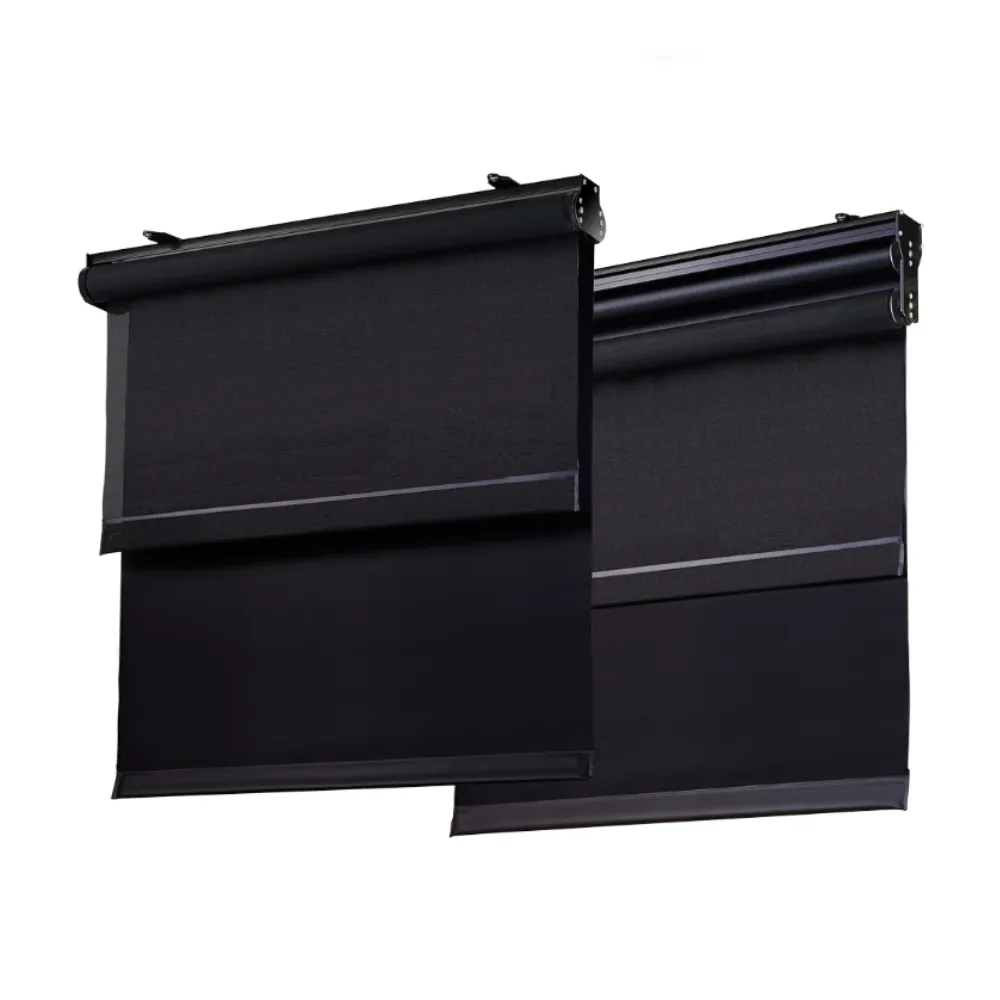
The most common categories include blackout roller blinds, which block out light
completely and are widely used in bedrooms and media rooms.
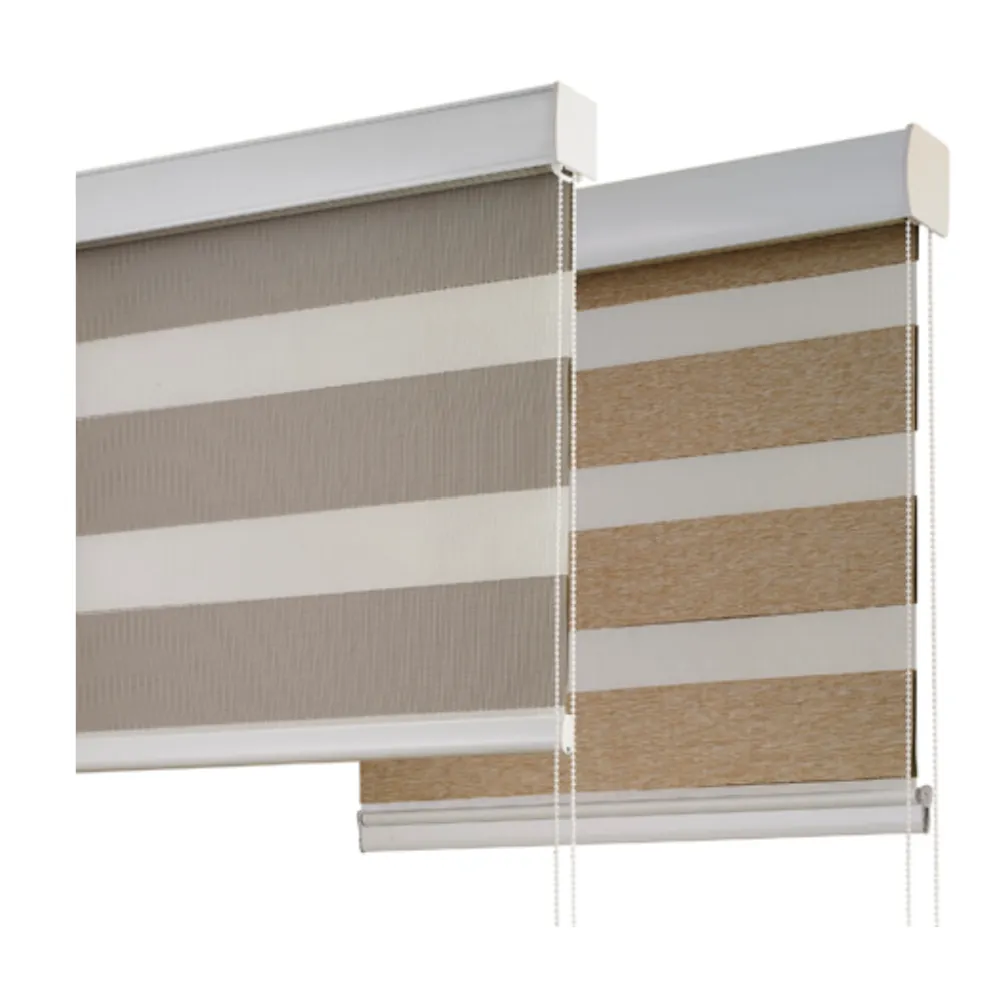
Sunshade roller blinds filter light while maintaining outward visibility, while dual or
double roller blinds combine two fabric layers for flexible light control throughout
the day.
There are also specialty options such as waterproof roller blinds for bathrooms and
kitchens, and fire-retardant versions for commercial buildings.
Knowing which type your end customers need will guide your decisions when
selecting the right roller blind parts and fabric.
Type Comparison
Blackout
Full blockout
Bedrooms, home theatres
Sunshade
Filters light
Offices, living rooms
Double / Dual
Adjustable light control
Residential and commercial
Waterproof
Varies by fabric
Bathrooms, kitchens
Fire-retardant
Varies by specification
Commercial, hospitality
Controls
The control system is one of the most important aspects of any roller blind, as it
directly affects the user experience, product durability, and installation complexity.
The three main control types are chain control, spring control, and wand control.
Chain control systems use a looped chain to raise and lower the blind and are favoured
in commercial settings for their durability and smooth operation.
Spring control systems, also known as spring roller blinds, use an internal spring
mechanism that allows the blind to be operated with a simple pull-and-release action,
making them popular in homes.
Wand control systems are operated by a rotating rod and are commonly used in
lighter residential applications.
Each control type requires different roller blind components, so buyers should specify
the control system before placing a bulk order.
Key Parts
When sourcing roller blinds or their components, it helps to understand what each
part does and why quality matters.
The main roller blind parts include the tube or barrel, which the fabric wraps around;
the clutch or sidewinder, which controls movement in chain-operated systems; the end
plugs, which connect the tube to the brackets; the brackets themselves; and the
bottom rail that helps keep the fabric taut.
Each of these roller shade parts plays an important role in the overall performance
of the blind, and a weakness in any one component can affect the entire system.
When evaluating suppliers, always ask for specification sheets and request samples
before committing to large orders.
Main Components
Tube / Barrel
Core that fabric wraps around
Clutch / Sidewinder
Controls chain-operated movement
End Plugs
Connect tube to bracket
Brackets
Mount blind to wall or ceiling
Bottom Rail
Keeps fabric taut and straight
Best Systems
For distributors and brand owners, the best roller blind is not simply the one with the
lowest unit price.
It is the one that delivers consistent performance, has readily available spare parts,
and comes from a supplier that can scale with your business.
A well-engineered roller blind system should operate smoothly after thousands of
cycles, resist UV degradation, and use components that are straightforward to replace
in the field.
Suppliers that offer made-to-measure options and low minimum order quantities are
especially valuable for buyers serving diverse markets with varying window sizes and
design preferences.
When assessing suppliers, look beyond the product itself and evaluate production
capacity, quality control processes, and after-sales support.
Sourcing
Sourcing roller blind components at scale requires planning, especially when managing
multiple product lines or serving customers across different countries with different
regulatory requirements.
Start by identifying which components should be purchased as finished goods and
which may be sourced separately for assembly.
For example, some distributors purchase fabric rolls and roller blind parts separately
to gain more flexibility when customising products for clients.
Working with a manufacturer that stocks a wide range of existing components, rather
than requiring custom tooling for every variation, can significantly reduce lead times
and costs.
Establishing a clear specification document for each component before going to
tender will also help compare suppliers accurately and avoid costly
misunderstandings later.
FAQ
Parts vs Shades
What is the difference between roller blind parts and roller shade parts?
The terms are largely interchangeable and refer to the same product category.
"Roller blind" is more commonly used in the UK, Europe, and Australia, while "roller
shade" is the preferred term in North America.
When sourcing components, both terms refer to the same mechanism parts, including
the tube, clutch, brackets, and bottom rail.
Compatibility
How do I know which roller blind components are compatible with my existing
system?
Compatibility depends on the tube diameter, bracket type, and control mechanism.
Before ordering replacement or upgrade components, measure your existing tube
diameter and identify the bracket mounting style.
A reliable supplier can advise on compatibility based on these specifications.
Individual Parts
Can I source individual roller blind parts without buying a complete system?
Yes. Many manufacturers and suppliers offer individual components for sale.
This is particularly useful for distributors that assemble finished products themselves
or need to provide spare parts to end customers.
Supplier Choice
What should I look for in a roller blind parts supplier?
Look for a supplier with a broad product range, flexible minimum order quantities,
clear product specifications, and a proven export track record.
Certifications relevant to your market, such as child safety compliance in Europe,
are also important considerations.
Product Life
How long do roller blind components typically last?
Quality roller blind components are generally tested to withstand tens of thousands
of operating cycles.
Actual lifespan depends on factors such as frequency of use, UV exposure, humidity
levels, and overall operating conditions.
Sourcing from reputable manufacturers with documented quality testing provides the
best chance of achieving long-term product performance.
現在,一場關於「精準營養」的變革正在發生。透過個人化健康方案,我們即將告別盲目跟風,迎來「缺什麼、補什麼」的科學補給時代。