
Distributors Need to Know
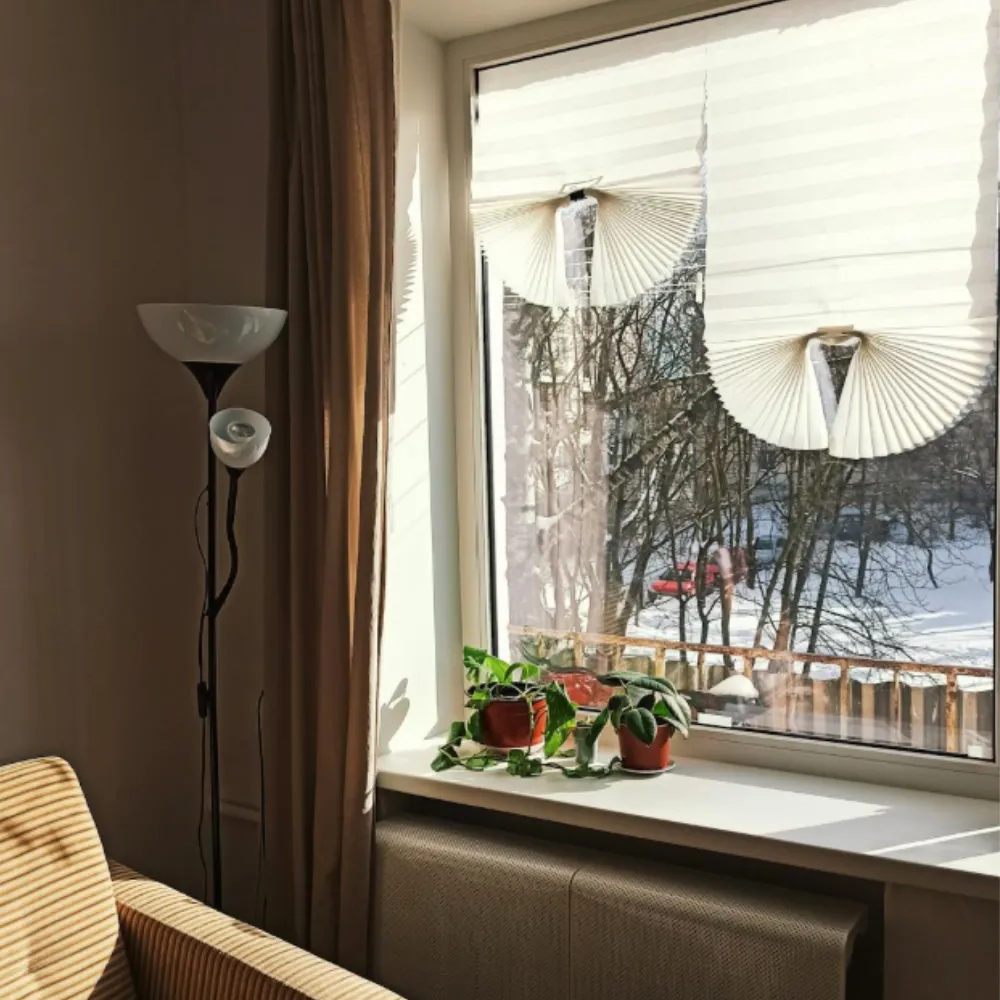
Specialty Shades
This article introduces cellular shade systems, explains how they differ from standard
roller shades, and outlines what components distributors and manufacturers need to
source them effectively.
Market Growth
The window covering market has expanded well beyond traditional categories such
as roller blinds and Venetian blinds.
Distributors who limit their range to these core products are missing a growing
segment of buyer demand.
Cellular shades, pleated shades, woven shades, and other specialty window coverings
have secured a significant share of both residential and commercial markets.
This growth is driven by increasing consumer awareness of energy efficiency, acoustic
performance, and interior design trends that favour clean, minimal aesthetics.
For distributors and manufacturers looking to differentiate their product offering and
move into higher-margin categories, specialty window coverings and the blind
components
that support them represent a timely opportunity.
Cell Shades
A cellular shade, also known as a honeycomb shade, is a window covering made from
fabric formed into a series of hollow cells when viewed in cross-section.
These cells trap air between the window glass and the room interior, creating an
insulating layer that reduces heat transfer in both directions.
This helps keep rooms cooler in summer and warmer in winter.
The insulating performance of a cellular shade is determined primarily by the number
of cell layers.
Single-cell shades provide basic insulation, double-cell shades offer improved
performance, and triple-cell shades are designed for maximum thermal efficiency.
Cellular shades are operated by either a corded or cordless lift system.
Like other window covering types, they require specialised components such as
mounting brackets, cord locks, and lifting mechanisms that must be correctly specified
for proper operation.
Key Differences
While both cellular shades and roller shades are popular window covering solutions,
they serve different purposes and use fundamentally different construction systems.
A roller shade uses a flat piece of fabric wound around a tube, with a simple mechanism
controlling the raising and lowering action.
The fabric is the primary element, and the hardware is relatively simple and
interchangeable across many products.
A cellular shade uses a structured fabric that must maintain its cell shape through
thousands of operating cycles.
This places greater demands on both the fabric construction and the lift mechanism.
The blind components used in a cellular shade system, particularly the cord guides,
cord locks, and mounting rail, are category-specific and cannot be interchanged
with standard roller shade hardware.
Comparison
Fabric Construction
Cellular Shade: Structured honeycomb cells
Roller Shade: Flat woven or coated fabric
Insulation Performance
Cellular Shade: High
Roller Shade: Low to moderate
Light Control
Cellular Shade: Diffused and soft
Roller Shade: Depends on fabric opacity
Operating Mechanism
Cellular Shade: Corded or cordless lift
Roller Shade: Chain, spring, or wand
Component Compatibility
Cellular Shade: Category-specific
Roller Shade: Broadly interchangeable
Price Point
Cellular Shade: Premium
Roller Shade: Entry to premium

Components
Understanding the blind components that make up a cellular shade system is
essential for buyers who want to source these products effectively.
The headrail is the top mounting rail that houses the lifting mechanism and
supports the shade.
In cellular shade systems, the headrail is more complex than in roller shades
because it must accommodate cord guides that route lift cords through the cells
without damaging the fabric structure.
The lift mechanism in a cordless cellular shade uses a spring-loaded system
that counterbalances the weight of the fabric.
This allows the shade to be raised or lowered simply by pushing or pulling the
bottom rail.
Corded variants use a standard cord lock mechanism similar to those found in
Roman blinds.
The bottom rail adds weight to keep the shade hanging flat and provides a
convenient handle point for operation.
Premium cellular shade systems often use a steel insert inside the bottom rail
to improve hanging performance.
Woven Shades
Alongside cellular shades, woven shades made from natural materials such as
bamboo, jute, and grass weaves represent another growing specialty category.
These products appeal to consumers and commercial specifiers seeking a natural
and organic aesthetic.
They also command a premium price that reflects both material cost and design
appeal.
Woven shades use a cord and pulley system similar to Roman blinds.
Swivel cord locks and swivel pulleys are the primary blind components required
for operation.
The cord lock holds the shade at the desired height, while the pulleys guide
the lift cords smoothly over the top without damaging the natural weave.
For distributors considering woven shades, the component requirements are
relatively straightforward and overlap significantly with Roman blind hardware.
Building Use
Specialty window coverings are increasingly specified as part of a broader
building material strategy rather than being treated purely as decorative items.
In commercial buildings, cellular shades and other high-performance window
coverings contribute to overall energy performance ratings.
This is becoming increasingly important for developers and owners pursuing
green building certifications such as LEED or BREEAM.
In residential construction, energy-efficient window coverings are commonly
specified by architects and developers as a value-added feature.
For distributors supplying the construction and fit-out sector, positioning
specialty window coverings within the building materials category rather than
only within interior design can unlock larger project budgets.
Sourcing
Sourcing cellular shade components requires a more targeted approach than
sourcing general roller shade or blind hardware.
The components are more category-specific and quality tolerances are tighter.
The fabric is the most critical element to evaluate because the cell structure
must maintain its shape and integrity through years of daily use.
Request long-term durability data from potential suppliers and, where possible,
test samples over an extended period before committing to production orders.
For mechanical components such as cord locks, cord guides, bottom rail
profiles, and headrail extrusions, work with suppliers that specialise in
cellular shade systems rather than adapting generic blind hardware.
The fit and finish of these components significantly influence the operating
feel of the finished shade.
Premium cellular shade buyers are particularly sensitive to hardware quality.
FAQ
Cell Layers
What is the difference between a single-cell and a double-cell cellular
shade?
A single-cell shade has one layer of honeycomb cells and provides basic thermal
insulation.
A double-cell shade has two layers of cells that trap more air and deliver
significantly better insulation performance.
For projects where energy efficiency is a priority, double-cell or triple-cell
shades are generally worth the additional cost.
Hardware Source
Can cellular shade components be sourced from the same supplier as roller
shade hardware?
Some component types, such as mounting brackets and cord accessories, may
overlap between categories.
However, the headrail extrusion, cord guides, and lift mechanism are
category-specific and should be sourced from suppliers with cellular shade
experience.
Commercial Use
Are woven shades suitable for commercial applications?
Woven shades are commonly used in restaurants, boutique hotels, wellness
facilities, and other projects where a natural aesthetic is part of the design.
They are generally not specified for high-traffic environments where durability
and ease of cleaning are the primary requirements.
Cordless Lift
How does a cordless cellular shade lift mechanism work?
A cordless cellular shade uses a spring-loaded mechanism inside the headrail to
counterbalance the weight of the fabric.
When the user pushes the bottom rail up or pulls it down, the spring adjusts
and holds the shade securely in its new position without requiring a cord lock.
Green Building
What window covering types qualify as building materials for green building
certification purposes?
Window coverings that contribute to a building's energy performance, including
cellular shades, solar control roller shades, and external shading systems,
may qualify for credit under rating systems such as LEED and BREEAM.
Specific criteria depend on the certification program and the performance data
available for the product.
Always consult the relevant certification guidelines and provide clients with
technical performance data from your supplier.
深入解析高品質礦砂的科學原理,教您如何挑選具備零粉塵與強效凝結力的專屬貓砂,徹底解放雙手,為愛貓打造清新舒適的頂級如廁環境。